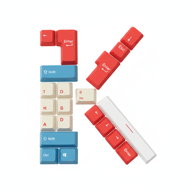
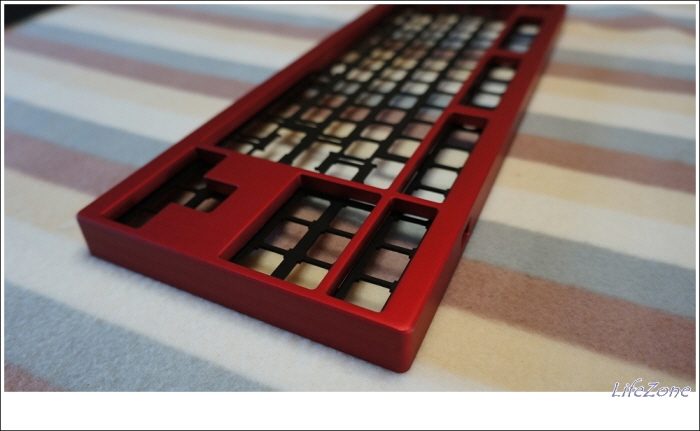
Korean Custom Keyboard History
The Korean Custom Keyboard Scene, Explained From the Inside
Western enthusiasts know the names. Here is where they came from, in the order it happened, with the original posts.
KBDMania has been Korea's keyboard community since 2002. Its archive holds about 220,000 posts: the group buys that started Korean custom keyboards, two decades of reviews, and a vocabulary of its own. This edition writes about all of it for readers who don't read Korean.
Western enthusiasts know the names. Here is where they came from, in the order it happened, with the original posts.
A series built from the archive: who made what, when, and what it cost at the time.
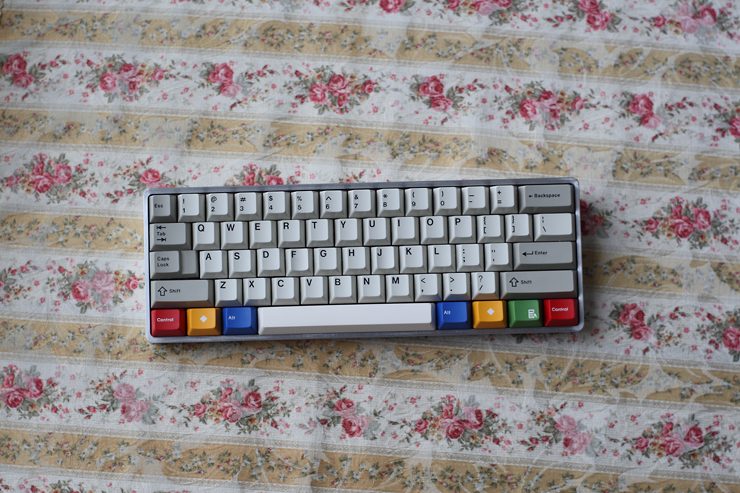
In one summer, Korean enthusiasts put aluminum around the Vortex Poker and the Realforce, and discovered that making things for your friends is complicated.
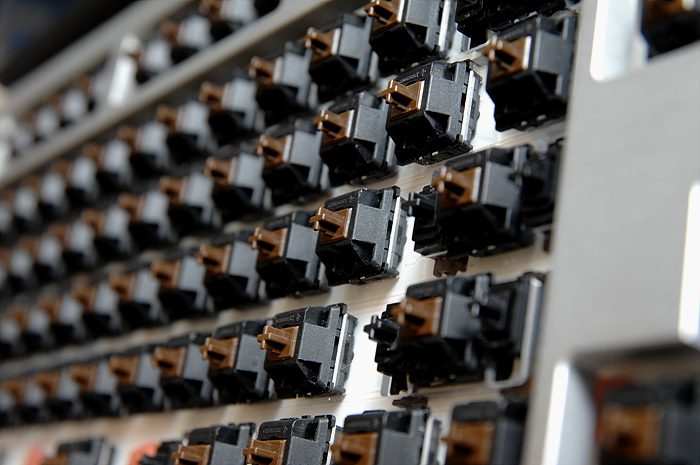
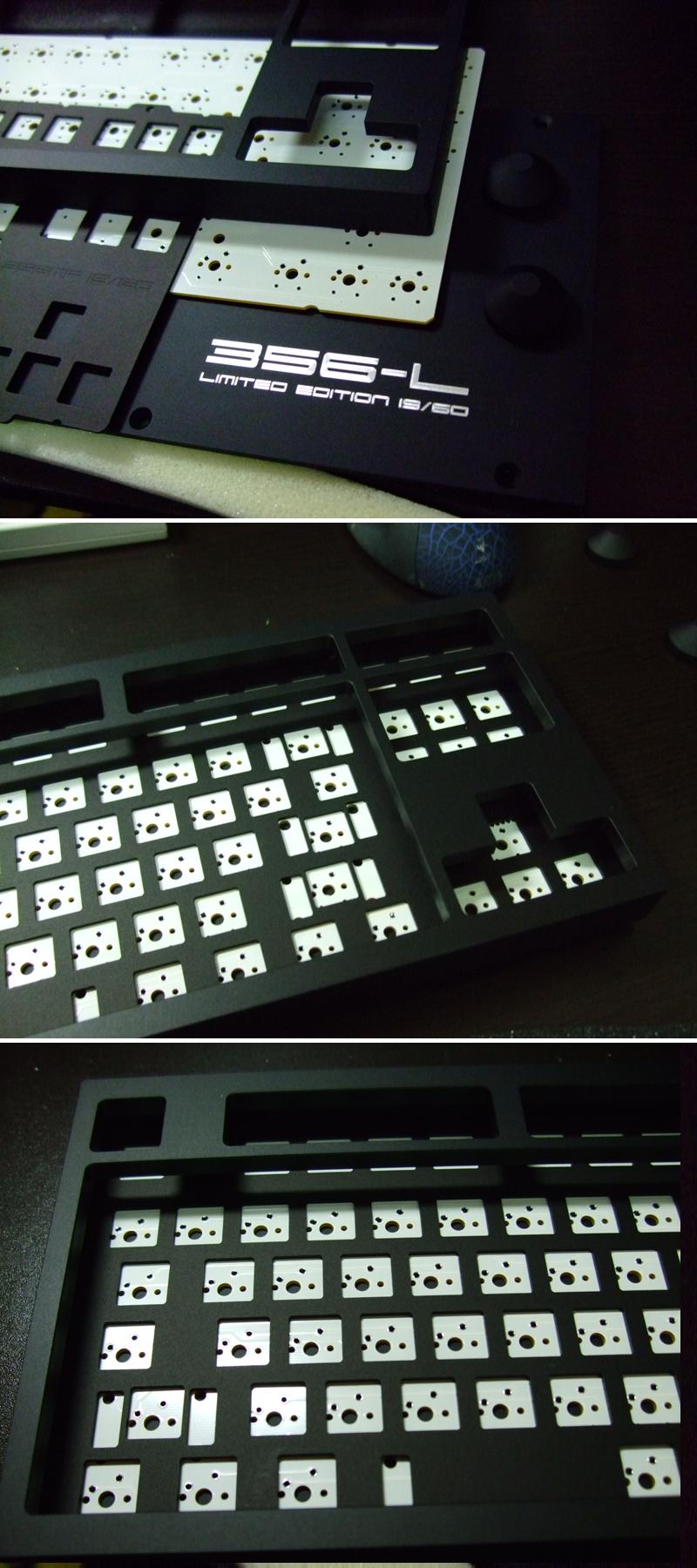
Sixty aluminum tenkeyless housings, a donor Cherry board, and a free-board post that reads like a spec sheet. This is where it begins.
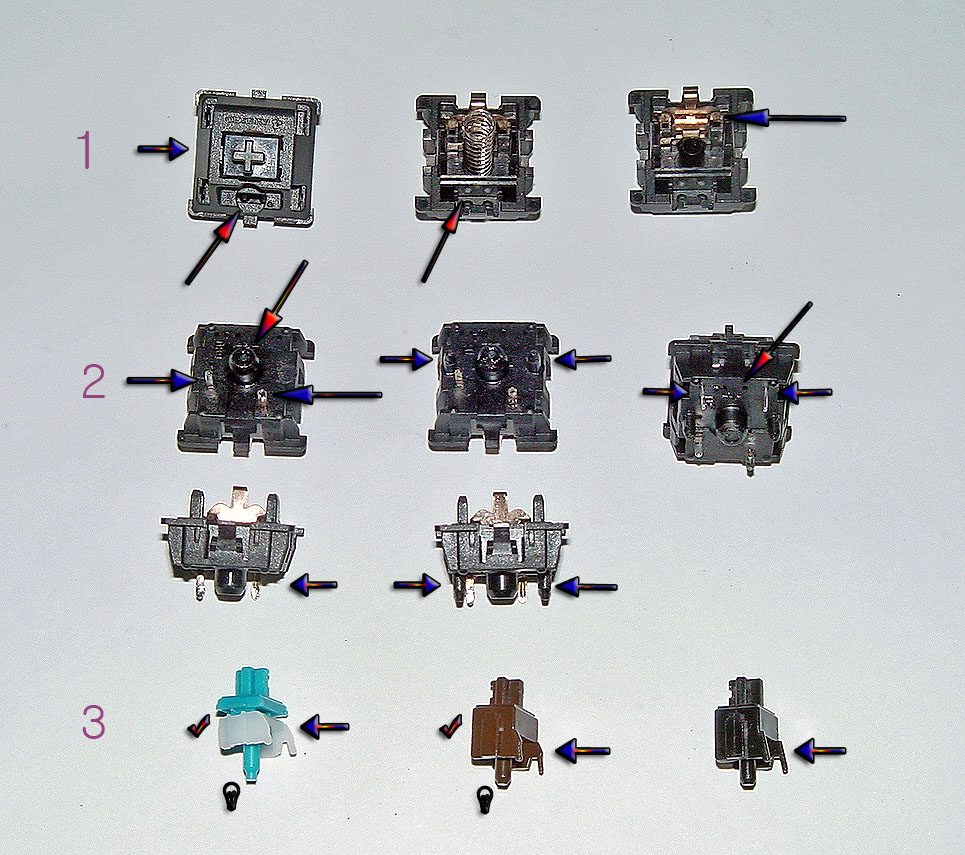
Before the English-language switch guides, a KBDMania member took apart a Cherry MX, measured it against the datasheet, and gave Korean modding its vocabulary.
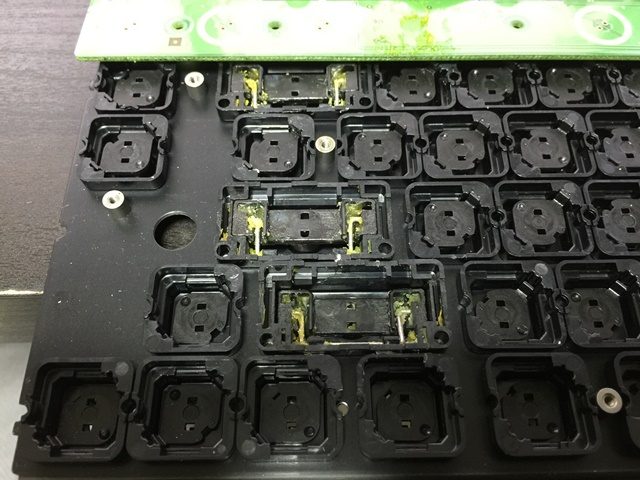
Two of the most-read posts in KBDMania's history are about what goes wrong inside a Realforce. One shows ruined rubber domes; the other spends three days with silencing rings.
The word 공제 means something narrower than "group buy". It came with rules about profit, resale and respect, and a price list the community kept.
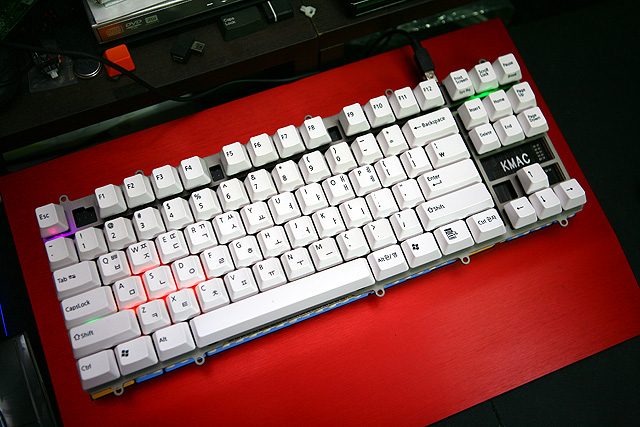
Keyboard Mania Attic Craft. An in-house PCB and controller, hardware macros, full CNC aluminum, and a kit price under a Realforce.
The words Korean enthusiasts actually use for feel, sound, parts, money and each other, with the posts they come from.
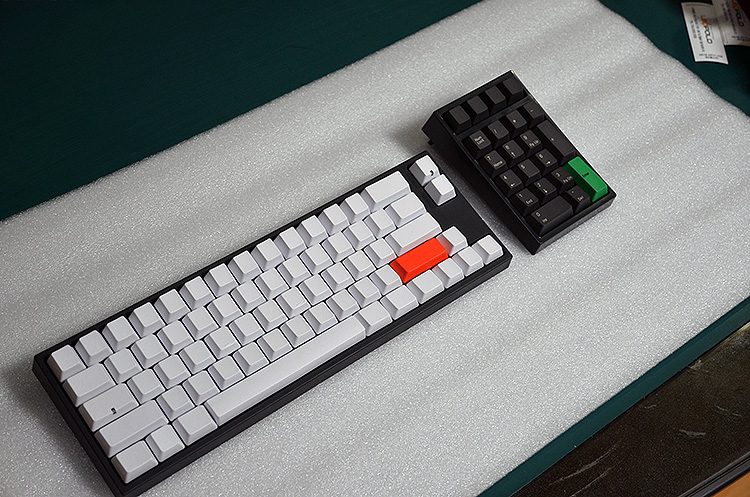
The Korean importer that talked Topre into a tenkeyless, then designed its own boards, then built them in Korea. KBDMania's news board carried every step.
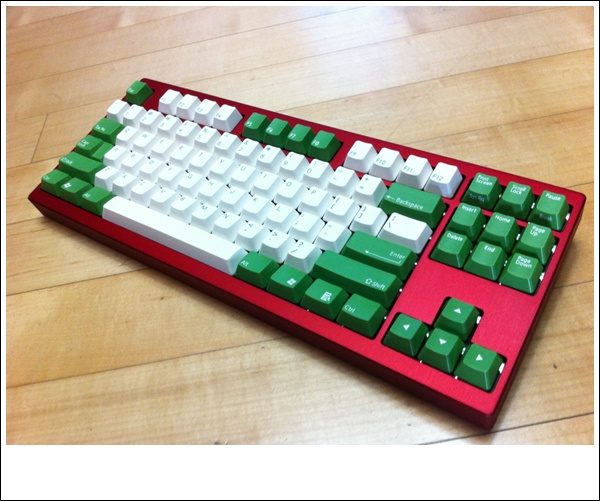
LifeZone documented the LZ.87 from 3D model to anodizing in public, made three sets, and started a name that people are still asking about in English.